-
The History of Seawater Bath Houses in Tramore

Seawater bath houses have a long history in Ireland. The therapeutic use of seawater for health and wellness purposes has been practiced for centuries in various cultures around the world, including Ireland. However, it wasn’t until the 18th and 19th centuries that seawater bath houses became popular in the country. The high mineral content of… Continue reading
-
The Guramooghagh: Tramore’s Haunting Folklore

Growing up in Tramore I was always intrigued by stories of the otherworldly spectre haunting the Rabbit Burrows known locally as the Guramooghagh or some such variation of the name. In his book, Placenames of the Decies, the Canon Power referred to a place called the Gormog’s Garden on Tramore Burrow, explaining that Gormog or… Continue reading
-
Death of a Chimney Sweep

On Thursday 30 August 1832, an inquest was held in Waterford City into the death of a twelve year old ‘climbing boy’ named Michael Brien. The body of the boy was presented before the coroner Michael Evelyn and a ‘respectable jury’. Brien was an apprentice to Philip Corbett; a chimney sweep from Keyser’s Lane in… Continue reading
-
The Tudor Cannons of Tramore Bay
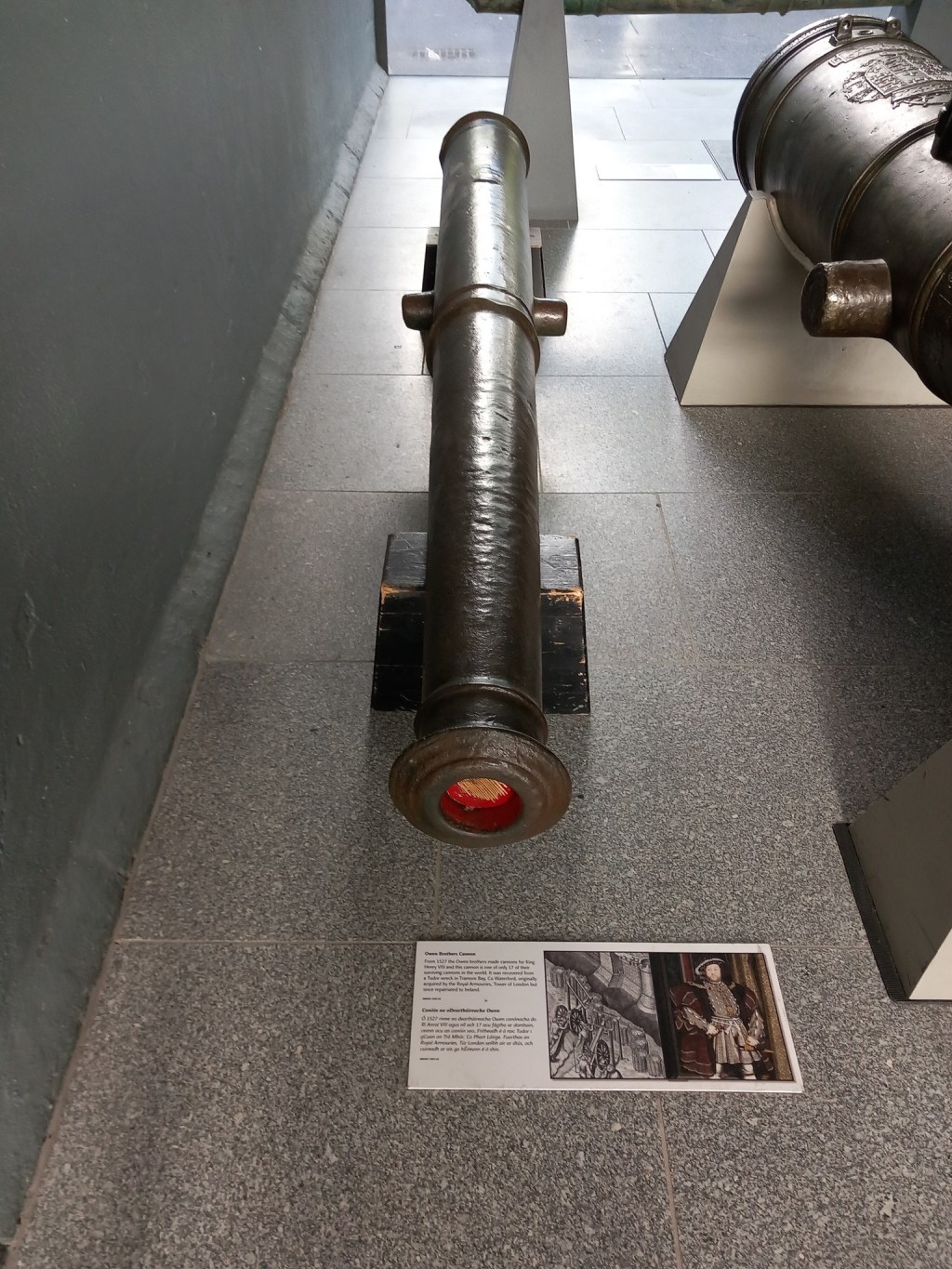
In 1972 two 16th century Owen cannons were illegally excavated from a shipwreck under Great Newtown Head onto a trawler that was allegedly hired at Dunmore East and smuggled out of Ireland. Two years later British Armouries purchased them for E3,250, a fraction of their value. Subsequently they were put on display in the Tower… Continue reading
-
Medieval Battles

The first time that Tramore appears to be mentioned in the extant historical sources is in relation to the lengthy conflict waged by the combined forces of the Powers and the O’Driscolls against the citizens of Waterford City, as told in one of the manuscripts of Sir George Carew, who lived from circa 1558 to… Continue reading
-
Tramore in Prehistory: The Mesolithic

Reverend Power in his book ‘the Place-Names of the Decies’, published in 1907, notes that, Tramore Burrow shows ‘traces of occupation by a prehistoric race’ in the form of kitchen middens, which he thought were possibly from the Palaeolithic or Old Stone Age. He further elaborated that ‘Kitchen middens are sometimes exposed after storms, and… Continue reading

 Tramore of Yore